
Minimally Invasive Treatment for Meniscus and Cartilage Injuries
Minimally Invasive Treatment for Meniscus and Cartilage Injuries
If you’re experiencing knee pain that hasn’t improved with physical therapy, injections, or activity modification, Knee Arthroscopy may offer effective relief. This minimally invasive outpatient procedure is used to diagnose and treat common internal knee problems—especially meniscus tears and cartilage injuries—while preserving as much of the natural knee as possible.
At Dr. Arshi’s practice, knee arthroscopy is part of a knee preservation strategy aimed at relieving symptoms and potentially avoiding more invasive surgery down the road.
What is Knee Arthroscopy?
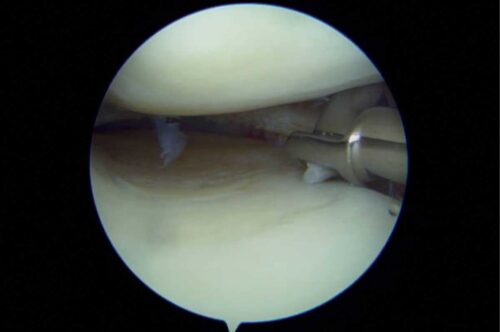
Knee arthroscopy is a minimally invasive surgical procedure performed through two or more small incisions. A camera (arthroscope) is inserted into the knee joint, allowing Dr. Arshi to see inside the joint and treat damaged tissues directly—such as trimming or repairing a torn meniscus, or smoothing damaged cartilage.
This procedure is especially helpful for:
- Meniscus tears
- Cartilage damage (chondral injuries)
- Loose bodies in the knee
- Synovitis (inflammation)
- Diagnostic evaluation of persistent knee pain
Why Choose Dr. Arshi for Knee Arthroscopy?
- Fellowship-trained orthopedic surgeon with advanced training in arthroscopic and minimally invasive techniques
- Focus on joint preservation and long-term function
- Offers same-day outpatient surgery with minimal downtime
- Personalized treatment plans based on exam, imaging, and your goals
- Emphasis on avoiding unnecessary or overly invasive procedures
Goals of Knee Arthroscopy
- Relieve mechanical symptoms like catching, locking, or swelling
- Reduce pain and inflammation
- Improve function and mobility
- Preserve the natural joint to delay or avoid more extensive surgeries
Rehabilitation After Knee Arthroscopy
Recovery from knee arthroscopy is typically faster and less painful than traditional open surgery, but rehabilitation still plays an important role in ensuring the best outcome. Your rehab plan will depend on the specific treatment performed (e.g., meniscus trimming vs. repair), but typically includes:
- Day of Surgery: Begin walking with assistance, often weight-bearing as tolerated
- Week 1–2: Focus on reducing swelling and regaining range of motion with gentle exercises
- Week 2–4: Gradual return to daily activities; light strengthening may begin
- Week 4–6+: Increase strengthening, balance training, and functional movements
- Return to Sports or High-Impact Activity: Usually around 6–8 weeks, depending on healing and the type of procedure
Dr. Arshi works closely with physical therapists to ensure your program is safe, effective, and customized to your goals.
Knee Arthroscopy: Frequently Asked Questions
Most patients are walking the same day, with crutches or a brace if needed. Recovery depends on what is done during the procedure, but return to daily activities is typically within 1 to 3 weeks, and full recovery for sports or high-impact activities may take 4 to 6 weeks or more.
Because it’s a minimally invasive procedure, most patients experience mild postoperative discomfort, which is usually managed with over-the-counter pain relievers. Dr. Arshi provides a recovery plan tailored to your specific procedure and comfort level.
Yes—physical therapy is often recommended after knee arthroscopy to help restore range of motion, reduce swelling, and regain strength. A personalized rehab plan will be provided to support your recovery.
While it doesn’t “cure” arthritis, arthroscopy can provide symptom relief in cases where damage is limited, especially from meniscus tears or focal cartilage injuries. It is often used as a knee preservation tool to delay or avoid more invasive procedures.
Most procedures are performed under regional (spinal) anesthesia or light sedation, though general anesthesia is an option depending on the patient and complexity of the case. Dr. Arshi and the anesthesia team will choose the safest and most comfortable option for you.
If you have persistent knee pain, mechanical symptoms, or imaging that shows a meniscus tear or cartilage injury, and conservative treatment hasn’t helped, you may benefit from arthroscopy. Dr. Arshi will evaluate your history, physical exam, and imaging to determine the best next step.
Ready to take the next step toward pain relief and preserving your knee?
Contact us today to schedule a consultation with Dr. Arshi and find out if knee arthroscopy is right for you.